Ibrahim was born in 2020. He turned five in early 2025. In a normal childhood in any normal place, this is the year he starts school. He gets a small bag. He learns to hold a pencil. He meets other children. He comes home and talks about his day.
Ibrahim has never been inside a school. He cannot read. He cannot write his name yet. There are almost no functioning schools in Northern Gaza in 2026. The buildings that were schools are damaged, repurposed as shelters, or destroyed entirely. Teachers are displaced or killed or simply unable to operate. The system that gives a child their first taste of education has been removed from his world for the entire conscious portion of his life.
What Education Looked Like Before
Before October 2023, Gaza had a functioning school system. UNRWA operated schools for refugee children. Government schools served the rest. Literacy rates were high by regional standards. My nieces and nephews were in school. My cousin was a teacher. The summer break was a season, not a permanent state.
I expected Ibrahim would grow up in that system. I expected to walk him to his first day of school. I expected to buy him pencils and notebooks and a small lunch container. None of those expectations have come true.
What I Try to Do at Home
I am an agricultural engineer by training, not a teacher. But there is no one else, so I am his teacher.
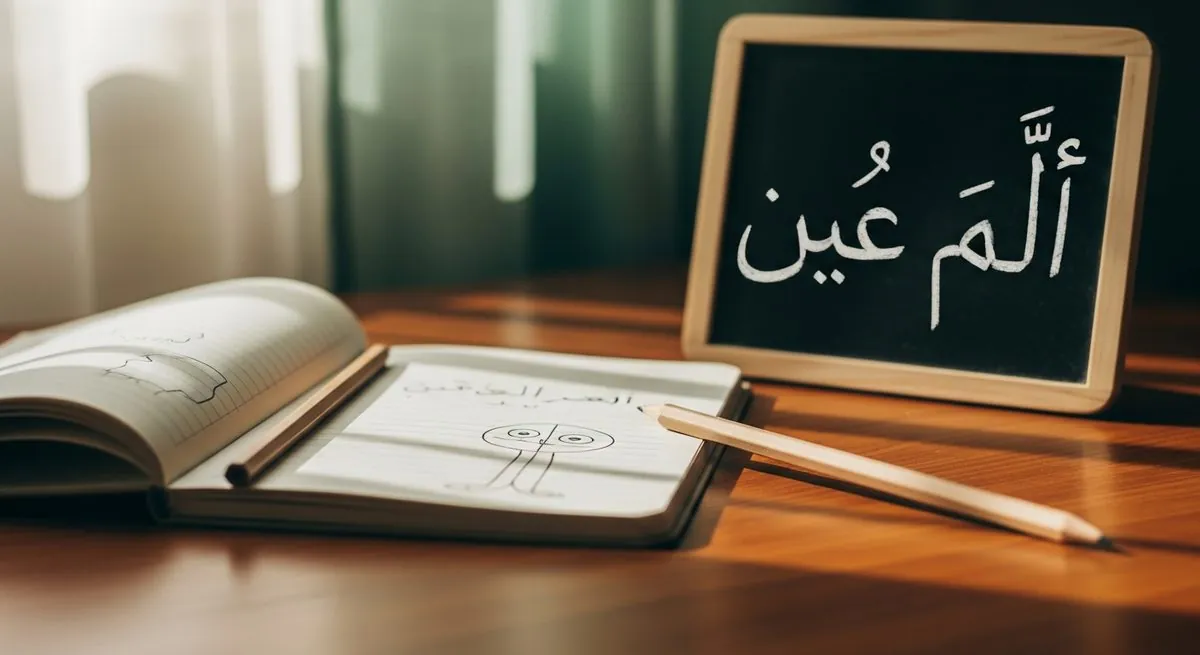
We have a small notebook and a few pencils that someone donated. I taught him the alphabet. He can recognize most letters. He knows his colors. He knows numbers up to 20. His Arabic vocabulary is appropriate for his age. His drawings are typical for a 5 year old: a sun, a house, his mother, his baby sister, a tree he probably has not actually seen recently.
I teach him for an hour or two when I can. The challenge is not his attention. He wants to learn. The challenge is that my own focus is divided. I am also writing donor updates, doing the marketing for this fundraiser, going to the market for food, dealing with water delivery, and trying to keep my own mental state functional. The result is education in fragments rather than the structured environment a child needs.
What He Asks Me
He asks me what school is. I describe it. He asks me when he can go to school. I tell him: when the war ends, inshallah. He asks when the war will end. I do not have an answer for that one.
He sometimes draws what he imagines a classroom looks like based on my descriptions. He draws desks in rows. He draws a teacher with a long stick (I do not know where he got that detail). He draws other children. He draws himself among them.
This is the part that is the hardest to write about, so I will be brief: a child who has never been around other children of his own age in any structured social setting is a different kind of child than one who has had that. The deficit is real. We will need help repairing it when this ends.
What Would Help Right Now
- A continued food and survival budget so I have the bandwidth to teach him at home rather than spending all energy on basic survival
- If you can spare a few extra dollars, learning materials. Pencils, paper, simple early-reader books in Arabic. We can purchase these at remaining markets.
- If you are a teacher and would be willing to do an occasional video call with him to provide variety beyond me, I would welcome that. Email hello@donatetogaza.org.
When Schools Reopen
Whenever this ends, the school system will not return immediately. Buildings need rebuilding. Teachers need to be retrained. Curriculum needs to be reconstructed. Children like Ibrahim, who missed their entire early education, will need bridge programs.
I have already promised myself that whenever school is possible again, Ibrahim is in it. Whatever it costs. Wherever it is. He will not lose another year if I can prevent it.
Help Keep Ibrahim Learning
Your monthly support gives me the bandwidth to teach him at home. Even an hour a day matters.
A Letter from Ibrahim (Translated)
"My name is Ibrahim. I am 5 years old. I want to be a doctor when I grow up because I want to help people who are sick. I do not have a school yet. My father teaches me. I know all the letters. I can count to 20. Thank you to the people who help my family."
That is the letter he dictated to me yesterday. He insisted on the doctor part. I did not ask him to say it.
Children grow up regardless of circumstance. They become something. The question is what.